VA Mortgage Loans Often Feature: Revealing the Rewards for Military Members and Homebuyers
VA home loans present a distinctive pathway for veterans and active-duty service members to achieve homeownership. With benefits like the absence of a down payment and competitive interest rates, these loans can ease financial strain. The elimination of private mortgage insurance requirements adds to their attractiveness. Becoming familiar with the details of VA loans is essential for potential homebuyers. What particular benefits do these loans deliver, and how can one navigate the application process effectively?
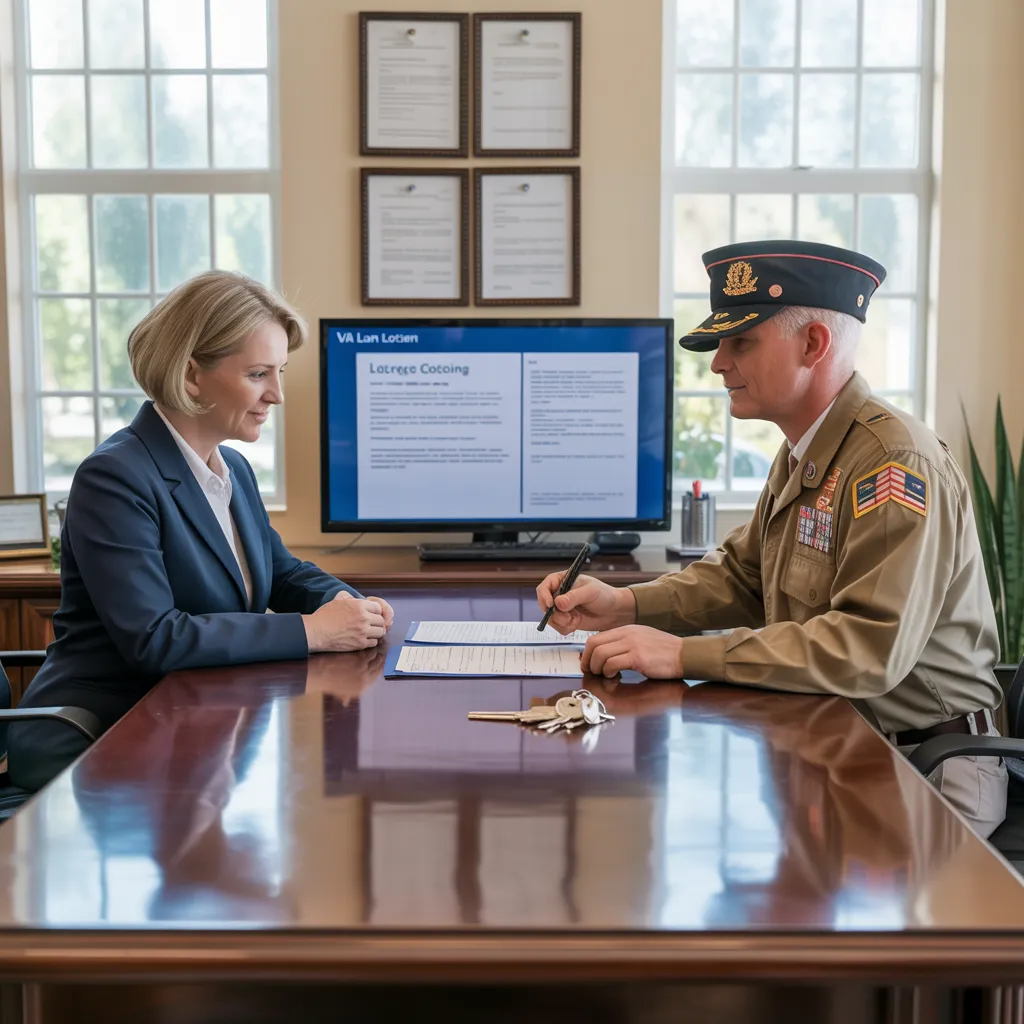
A Guide to VA Loans: Key Benefits and Eligibility Criteria
Understanding VA loan programs is crucial for veterans and currently serving military personnel looking for funding for buying a home. These loans are supported by the U.S. Department of Veterans Affairs, offering exclusive advantages that are tailored specifically for military service members. Eligibility for VA loans generally requires a minimum period of service, along with an discharge under honorable conditions.
An additional significant element is the lack of a down payment obligation, which can significantly reduce the financial burden for prospective homeowners. Moreover, VA loans do not mandate private mortgage insurance (PMI), further reducing recurring expenses. Borrowing rates for VA loans are frequently more competitive compared to traditional mortgage loans, making purchasing a home easier to achieve.
Furthermore, veterans and service members are entitled to cost-effective closing fees, which are regulated by the VA. Being aware of these essential factors empowers potential borrowers to maximize the perks that VA loans deliver.
Top Advantages of VA Loans for Homebuyers
VA loan programs provide several key advantages for those purchasing homes, rendering them a desirable solution. Remarkably, borrowers need no down payment with these loans, include competitive interest rates, and maintain flexible credit requirements. These advantages can significantly simplify the homebuying process for qualifying veterans and active-duty military personnel.
No Down Payment Required
For many homebuyers, the idea of acquiring a home can be intimidating, especially when thinking about the financial demands associated with a down payment. VA loans provide a notable benefit by eliminating the down payment requirement, rendering homeownership more attainable for veterans and eligible servicemembers. This distinctive benefit permits buyers to retain their savings for other expenses, such as closing costs or home improvements. By doing away with the down payment requirement, VA loans not only reduce the initial financial barrier but also enable veterans to access the housing market earlier. As a result, this advantage promotes stability and builds a sense of community among veterans, ultimately improving their quality of life and benefiting the economy.
Compelling Interest Rates
One of the standout features of VA loans is their attractive interest rates, which are often significantly lower than those available through traditional financing. This favorable condition permits veterans and active-duty service members to achieve meaningful savings over the life of their loans. Decreased interest rates produce reduced monthly mortgage payments, making homeownership more accessible and affordable. The favorable rates also stem from the government's support of VA loans, which minimizes financial risk for lenders and motivates them to provide more favorable terms. As a result, this financial benefit not only enhances the purchasing power of eligible borrowers but also promotes enduring financial well-being. Overall, competitive interest rates are a fundamental element that makes VA loans a desirable opportunity for those seeking homeownership.
Versatile Credit Standards
Although conventional loans often enforce rigid credit score criteria, flexible credit criteria characterize VA loans, positioning them as a compelling solution for those seeking homeownership. Such adaptability permits veterans and service members on active duty to obtain loans even when their credit histories are less than ideal. Lenders frequently evaluate the complete financial profile, encompassing income stability and debt-to-income ratios, instead of concentrating exclusively on credit scores. Consequently, this approach helps many buyers who might feel excluded from conventional financing options. Additionally, VA loans typically do not require private mortgage insurance (PMI), further easing the financial burden. Ultimately, lenient credit standards broaden access, allowing a greater number of veterans and military families to realize their homeownership goals without being constrained by demanding credit benchmarks.
No Down Payment: Key Things to Know
Veterans along with active-duty military personnel seeking to purchase a home can take advantage of VA loans, which offer the significant benefit of no down payment required. This feature distinguishes VA loans from traditional mortgage choices, which typically necessitate a substantial upfront payment. By eliminating the down payment, VA loans increase accessibility to homeownership, enabling veterans to invest their savings in other essential areas, such as home improvements or emergency savings.
In addition, this no-down-payment feature can simplify the home buying process, allowing for quicker transactions and less financial stress. It also allows veterans to acquire a home without needing to accumulate a large sum, which can be especially helpful for veterans transitioning to civilian life. Overall, the removal of the down payment requirement serves a vital role in enabling homeownership for veterans who have given their service to the nation, making it one of the most noteworthy benefits of VA loans.
VA Loan Rates and What Makes Them Competitive: A Guide to Your Expectations
When considering VA loans, understanding the factors that influence interest rates is essential. Borrowers can benefit from comparing various VA rate options to find the most favorable terms. This awareness can lead to significant savings over the life of the loan.
Exploring Interest Rate Factors
Grasping the multiple variables that impact interest rates is vital for borrowers seeking a VA loan. A number of components influence the attractive rates associated with these loans. To begin with, the VA guarantees a portion of the loan, decreasing risk for lending institutions and often resulting in lower rates for borrowers. Additionally, larger economic circumstances, such as inflation and the Federal Reserve's monetary policy, substantially affect determining interest rates. The loan amount and credit scores also affect the rates presented. Additionally, the lender type and competitive market forces can create variations in interest rates. By understanding these factors, veterans and homebuyers can more successfully explore the loan marketplace and achieve beneficial terms for their VA loans.
Analyzing VA Rate Alternatives
The competitive interest rates associated with VA loans present an attractive option for eligible borrowers. Such rates frequently undercut those of traditional loans, making it easier for veterans and active-duty service members to achieve homeownership. Lenders typically consider various factors when determining interest rates, including the borrower's credit score and market conditions. In addition, VA loans eliminate the need for private mortgage insurance (PMI), which contributes to their overall affordability. Shopping around and comparing rates from various lenders can help borrowers secure the most advantageous terms. Beyond the interest rate, borrowers should carefully assess any associated closing costs and fees. Overall, VA loans offer significant financial advantages, enabling service members to secure homes at manageable costs while promoting long-term stability.
Why You Don't Need Private Mortgage Insurance
Although many homebuyers are burdened by private mortgage insurance (PMI) as a result of low down payments, veterans and active-duty service members benefit from VA loans, which eliminate this cost. This significant advantage allows eligible individuals to save money each month, making homeownership more financially feasible. PMI commonly raises monthly mortgage payments, driving up the total cost of owning a home. By doing away with this requirement, VA loans empower veterans to devote more resources to their homes or channel funds toward other important priorities, including education or savings.
In addition, the exclusion of PMI signifies the government's dedication to supporting those who learn now have served their country. This benefit not only alleviates the monetary pressure but also improves the path to homeownership for many veterans and active-duty service members. Ultimately, the freedom from PMI acts as an vital advantage, strengthening the widespread desirability of VA loans in the real estate market.

Steps to Successfully Apply for a VA Loan
Steering through the VA loan application process can be simple with the right steps in place. To begin, potential borrowers must secure a Certificate of Eligibility (COE), which verifies their military service and eligibility for VA benefits. This can be completed online through the VA's website or via a lending professional.
After this, borrowers should assemble essential materials, including income documentation, filed tax returns, and a credit history report. A favorable credit score, while not mandatory, can positively impact the terms of the loan.
Selecting a VA-approved lender is crucial; these experts have thorough knowledge of the specific requirements of VA loans. Upon selecting the right lender, the process of applying begins, entailing the provision of necessary documentation and a review of credit history.
Upon the underwriting and approval process, borrowers can close on their new home, taking advantage of the exceptional benefits VA loans offer, such as no down payment and competitive interest rates.
Common Questions and Answers
Is It Possible to Use a VA Loan for Investment Properties?
VA loans are not eligible for use on investment properties. They are tailored solely for primary residences, permitting veterans and active-duty service members to achieve favorable terms for homes they will occupy as their main dwelling.
What Happens if I Default on a VA Loan?
If a borrower defaults on a VA loan, the lender may initiate foreclosure proceedings. The Department of Veterans Affairs may assist, but the borrower's credit score will suffer, impacting future borrowing opportunities considerably.
Are VA Loans Transferable to Another Person
VA loans can typically be transferred to another individual, but certain requirements must be met. The receiving borrower must meet the loan requirements, and the existing borrower may still be responsible for the loan until the loan is completely assumed.
What Is the Timeline for the VA Loan Approval Process?
The VA home loan approval process generally takes anywhere from 30 to 45 days. Considerations such as complete documentation, the efficiency of the lender, and individual borrower situations may influence the timeline, which can potentially extend the overall approval period beyond this average range.
Can My Existing Mortgage Be Refinanced Using a VA Loan?
Absolutely, borrowers can refinance their current mortgage with a VA loan. This benefit, known as the Interest Rate Reduction Refinance Loan program (IRRRL), permits veterans to access more favorable terms and reduced interest rates on their mortgages.